
Presentation
Blue health recovery: Aquatic therapy for psychological well-being in co-occurring disorders
- April 19-20, 2027
- Paris, France
Biography
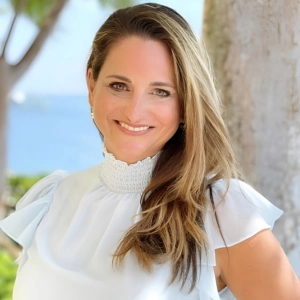
Allison Bishop Berner, LCSW, is the Founder and Clinical Director of Stoked on Life, a nonprofit organization dedicated to improving mental health and recovery through aquatic therapy and nature-based interventions. She is a licensed clinical social worker with over 20 years of experience in mental health and substance use treatment. She developed the Blue Health curriculum, an evidence-informed program that integrates ocean-based experiential therapy with clinical mental health services. Her work focuses on using the healing power of the ocean to promote emotional well-being, resilience, and recovery for individuals with mental health conditions, substance use disorders, and trauma. She leads program development, clinical training, research, and community partnerships, and is committed to advancing innovative, accessible, and holistic approaches to mental health care.
Abstract
Background: Individuals with co-occurring mental health conditions and Substance Use Disorders (SUD) face significant barriers to treatment and often experience poorer psychosocial outcomes. Emerging research suggests that exposure to aquatic environments, or "blue spaces," may support mental health, stress reduction, and recovery. The Blue Health program integrates ocean-based experiential therapy, mental health treatment, and community connection as a complementary approach for individuals in recovery.
Objectives: This pilot study examined the feasibility and preliminary impact of an aquatic therapy program on psychological well-being, mental health symptoms, and recovery-related outcomes among individuals with cooccurring disorders.
Methods and Materials: A mixed-methods design was used with 44 adult participants in a Blue Health aquatic therapy program. Participants engaged in structured 90-minute oceanbased sessions facilitated by licensed mental health professionals and trained aquatic associates over an 8-week period. Standardized measures included the Psychological Well-Being Scale (PWS), Patient Health Questionnaire-9 (PHQ-9), and a recovery cravings scale. Qualitative data were collected through participant reflections and open-ended survey responses. Pre- and post-program data were analyzed for trends, and thematic analysis was used for qualitative findings.
Results: While changes did not reach statistical significance, meaningful positive trends were observed in PWS subscales, including environmental mastery, purpose in life, and selfacceptance. Participants also reported reductions in depressive symptoms (PHQ-9) and cravings. Qualitative findings highlighted themes of mindfulness, emotional release, increased connection to self, nature, and others, and enhanced recovery capital.
Conclusion: The Blue Health program shows promise as a complementary, strengths-based intervention to support psychological well-being in individuals with co-occurring disorders. Findings suggest that aquatic therapy may enhance recovery-related outcomes by fostering environmental mastery, purpose, self-acceptance, and social connection. Further research with larger samples and long-term follow-up is warranted to explore mechanisms and sustained impact.