
Speaker
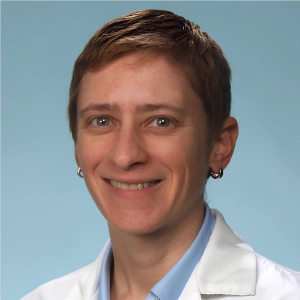
Jane Morris
- Maine Medical Center
- USA
Presentation
Predicting the likelihood of neurosurgical intervention prior to transfer of spontaneous Intracerebral Hemorrhage (ICH) to tertiary care facilities using data from a retrospective cohort: The Likelihood of Neurosurgery Score (LoNS)
- April 19-20, 2027
- Paris, France
Biography
Jane Morris completed medical school at Oregon Health & Sciences University in Portland, OR and a combined Internal Medicine and Neurology Residency program at the University of Arizona in Tucson, AZ, followed by a Vascular Neurology Fellowship at Boston Medical Center in Boston, MA. She maintains board certification in Neurology, Vascular Neurology, Internal Medicine, and Neuroimaging. She is currently a practicing Neurohospitalist and serves as the Medical Director of Stroke at Maine Medical Center Portland, a Comprehensive Stroke Center, and as the Medical Director of the MaineHealth TeleStroke Network. She is a Clinical Associate Professor of Neurology at Tufts University School of Medicine, the academic affiliate of Maine Medical Center.
Abstract
Background: Patients with spontaneous Intracranial Hemorrhage (ICH) who present to nontertiary care centers are often transferred to a facility with neurosurgical expertise without consideration of the likelihood of surgical intervention. At our Comprehensive Stroke Center (CSC), a minority of patients transferred for neurosurgical evaluation undergo interventions putting a strain on hospital resources. This study aimed to 1) quantify the frequency of neurosurgical intervention in ICH patients transferred to our hospital and, 2) to develop a tool to aid in transfer decisions.
Methods and Materials: Using an IRB-approved retrospective cohort study design, we identified all spontaneous ICH patients transferred to our CSC between January 1, 2016, and May 31, 2023. All patients were reviewed to ensure a primary diagnosis of non-traumatic supratentorial ICH. Odds ratios were calculated using a logistic regression model to identify factors predictive of neurosurgery which were weighted by strength of association. Internal validation was then performed.
Results: Of the 496 participants included in the final dataset, 78 (15.7%) underwent neurosurgical intervention. Age, Glasgow Coma Scale, ICH volume, and intraventricular extension were the greatest predictors of neurosurgery. These factors were used to create the Likelihood of Neurosurgery Score (LoNS), a weighted score used to inform transfer decisions. The score performed well on calibration and discrimination tests.
Conclusion: The LoNS is a new tool to identify ICH patients unlikely to be neurosurgical candidates who could be safely managed at the local level rather than urgently transferred to a tertiary care center. Prospective validation is needed.
