
Speaker
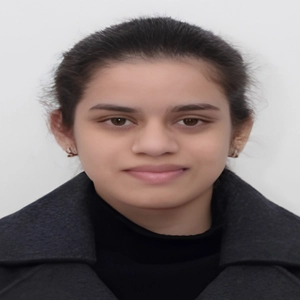
Tanpreet Kaur Bakshi
- Chandigarh University
- India
Presentation
A randomized controlled trial on the effectiveness of Bobath-based rehabilitation program and conventional physiotherapy in improving quality of life in children with hydrocephalus
- April 19-20, 2027
- Paris, France
Biography
Tanpreet Kaur Bakshi completed her Master of Physiotherapy (MPT) in Neurology and is currently pursuing her PhD. She is serving as an Assistant Professor in the Department of Physiotherapy at Chandigarh University, Gharuan, Mohali, India. Her academic and research interests focus on neurological rehabilitation, pediatric neurorehabilitation, hydrocephalus, neuroplasticity, and evidence-based physiotherapy. She has authored several research articles published in national and international peer-reviewed journals and has actively contributed to scientific conferences and academic publications. She is also involved in teaching, research supervision, and the advancement of neurological physiotherapy through clinical research and scholarly activities.
Abstract
Background: Hydrocephalus significantly impacts the quality of life of children by affecting their cognitive, motor, and social development, leading to long-term disability and dependence on parents. This condition also places a substantial emotional, financial, and physical burden on parents, resulting in heightened stress and decreased overall family well-being.
Methods and Materials: Eleven children with hydrocephalus (2–10 years) who had undergone ventriculoperitoneal shunting within the previous 3 months were enrolled after obtaining parental informed consent. The children enrolled in another clinical trial and with other neurological disorders such as Spina bifida, Cerebral Palsy, and Seizures in combination with hydrocephalus were excluded. Children were randomly assigned to either a Bobath-based Rehabilitation Program (n=5) or Conventional Physiotherapy (n=6). Both groups received one 60-minute session weekly for 8 weeks, along with a daily home exercise program. Quality of life was assessed before and after intervention using the PedsQL™ (children) and SF-36v2™ (parents). Data were analysed using paired and unpaired t-tests.
Results: The present study showed statistically significant improvements in SF-36 v2™ scores for Physical Functioning, Role-Physical, Bodily Pain, General Health, Role-Emotional, Vitality, and Mental Health in both groups [p<0.05]. However, further analysis revealed no statistically significant differences between the two groups. Statistically significant differences were observed in the scores of PedsQL™ [ages 2-4], [ages 5-10], and the Social Functioning domain of SF-36 v2™ in Group B only [p<0.05].
Conclusion: Both conventional physiotherapy and the Bobath-based Rehabilitation Program are effective in improving the QoL of parents of children with hydrocephalus. Additionally, conventional physiotherapy enhances the QoL of children with hydrocephalus and significantly improves the Social Functioning domain of the SF-36 v2™ in their parents.
