

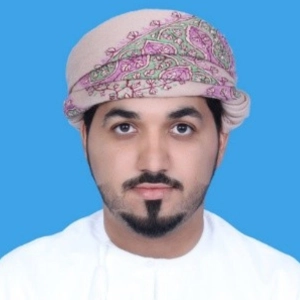
Mohammed Khamis Albalushi
Al Masarrah Hospital, Ministry of Health, Sultanate of OmanPresentation Title:
Transforming mental health care in the Arab World: A scoping review of Arab TMS studies for psychiatric disorders
Abstract
Background: The mental health landscape in the Arab world has undergone significant changes, highlighting the need for innovative treatment methods like Transcranial Magnetic Stimulation (TMS). Historically, mental health was stigmatized and under-addressed, leading to a reliance on traditional remedies.
Method: This scoping review utilized the Arksey & O’Malley framework to examine TMS’s application, effectiveness, and challenges in treating psychiatric disorders in Arab countries. A comprehensive search was conducted across six databases, and studies published between 2018 and 2024 were included, focusing on various mental health conditions treated with rTMS.
Results: Nineteen studies were reviewed, with findings indicating that TMS is a promising, non-invasive alternative to traditional treatments like electroconvulsive therapy. Benefits included minimal side effects, quick sessions, complementary treatment options, and cumulative therapeutic effects. However, high costs, lack of trained professionals, and social stigma were significant challenges.
Discussion: The integration of rTMS can enhance mental health care in the region. Addressing economic barriers and increasing awareness through public campaigns could improve accessibility and acceptance of rTMS as a viable treatment option.
Conclusion: The findings underscore the need for further research, training for healthcare providers, and public awareness campaigns to promote TMS, ultimately contributing to a healthier societal perspective on mental wellbeing.
Biography
Mohammed Khamis Albalushi is a psychiatrist and behavioral specialist from Oman, currently undertaking an advanced clinical fellowship in mood and anxiety disorders at the Institute of Mental Health (IMH), Singapore. He serves as head of emergency psychiatry at Al Masarra Hospital, where he has led the development of crisis response systems, psychological first aid initiatives, and emergency mental-health protocols at a national level. He completed a 5-year ACGME-accredited residency and holds double board certificate the Arab Board and Omani Board in Psychiatry. His academic interests include mood and anxiety disorders, neuromodulation, emergency psychiatry, and mental-health service innovation. He has authored multiple peer-reviewed publications and presented research at international conferences across Europe and the Middle East. Passionate about leadership and system transformation, he actively contributes to training healthcare professionals, advancing community mental-health programs, and developing scalable models for psychiatric care aligned with Oman Vision 2040.

Organization Location
1309 Coffeen Avenue, STE 1200, Sheridan, Wyoming 82801, USA
Mail us at
Drop us an email for Program enquiry
neuralscience@scientexconferences.com
Registration Enquiry
finance@scientexconferences.com
General Queries
contact@scientexconferences.com
neuralscience@scientexconference.org
Our Social Presence
Call us at
USA : (+1) 689 303 3812