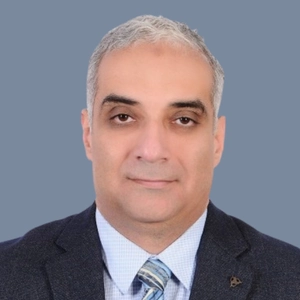


Mian Wang
University of California, USAPresentation Title:
NDBIs as culturally adapted evidence-based practices for autistic individuals
Abstract
Naturalistic Developmental Behavioral Interventions (NDBIs) are child-centered, motivation-based approaches that integrate behavioral principles with developmental science to support young autistic children in natural environments (Schreibman et al., 2015). Unlike more structured behavioral interventions, NDBIs emphasize following the child’s lead, shared control, natural reinforcement, and reinforcing non-perfect attempts. These NDBIs features promote child motivation, generalization across settings, and stronger family involvement through parent training (Wang, Schuck, & Baiden, 2022).
This presentation provides an analysis of NDBIs’ evolution, strengths, limitations, and pathways forward, positioning them as value-based, culturally adapted, and neurodiversity-affirming Evidence-Based Practices (EBPs). NDBIs excel in ecological validity, strengths-based teaching, and family-centered goal setting. Recent meta-analytic overviews confirm robust positive effects on communication, language, cognition, adaptive behavior, and social skills (Song et al., 2025). Cultural adaptations have demonstrated feasibility and acceptability, such as ESDM and PRT modifications for Chinese families (incorporating culturally relevant examples) and Project IMPACT adaptations for Spanish-speaking Latinx communities (Pickard et al., 2024).
Nevertheless, limitations persist. Methodological concerns include heavy reliance on parent-report measures and limited rigorous group designs; ethical issues involve residual focus on normalization and compliance that may conflict with neurodiversity principles; and outcome measurement often neglects long-term effects and distal family-centered variables such as quality of life. NDBIs show neutral effects on family quality of life, underscoring the need for broader outcome frameworks (Duncan et al., 2024). Alignment with neurodiversity affirming practices requires greater autistic stakeholder input, reduced emphasis on masking, and explicit strengths-based, acceptance-oriented goals (Schuck et al., 2022).
Implications include expanding distal outcomes (e.g., family well-being, self-determination), implementing participatory research, conducting rigorous cultural adaptations, and delivering NDBIs within tiered support systems. By addressing these priorities, NDBIs can evolve into truly equitable, contextually relevant interventions that honor autistic identity while delivering meaningful support to children and families worldwide, particularly in diverse and low-resource settings.
Biography
Mian Wang is a professor in the department of education at the University of California, Santa Barbara (UCSB), where he served as department chair from 2021 to 2024. His research centers on early intervention and inclusive education for young children with disabilities and their families, with particular expertise in evidence-based autism intervention practices, naturalistic developmental behavioral interventions (NDBIs), positive behavior support systems, parent and family support, and policy and practice in special and inclusive education. He holds dual doctoral degrees: a Ph.D. in developmental psychology from the University of Patras, Greece (2000), and a Ph.D. in special education from the University of Kansas, USA (2004). He has led and participated in major federally and state-funded research projects totaling approximately $8 million. A prolific scholar, he has published over 100 peer-reviewed articles in leading international SSCI- and Scopus-indexed journals and authored several academic books. He received the Early Career Research Award from the American Association on Intellectual and Developmental Disabilities (AAIDD) in 2009. He serves on the executive boards of several major professional associations in special education and holds editorial positions (editor, associate editor, or editorial board member) for numerous U.S. and international journals in the field.